
News insight
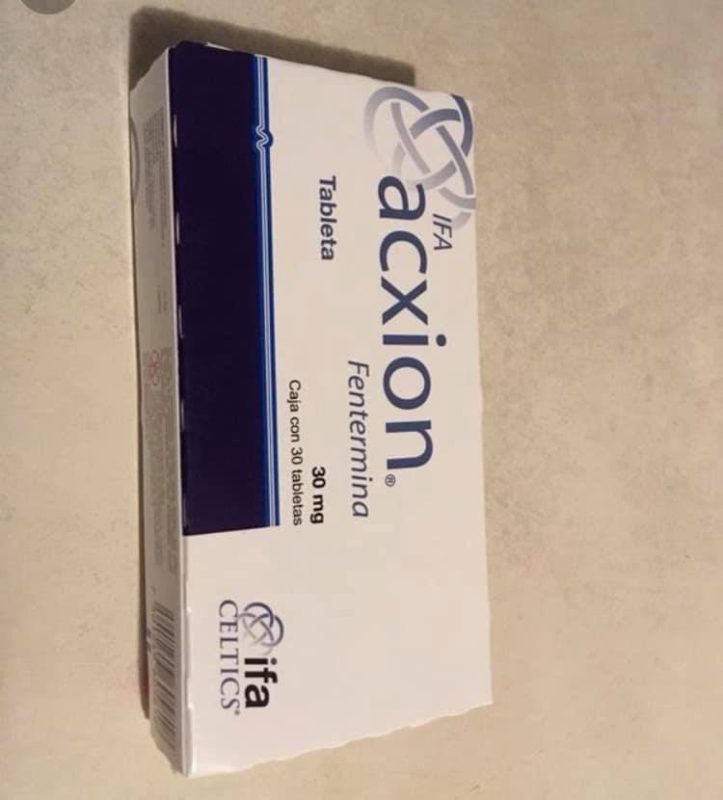
Acxion Pills Weight Loss
Feb
Acxion Pills for Weight Loss: A Comprehensive Look at Effectiveness, Risks, and Real-World Results in 2026
Acxion pills — the Mexican brand name for phentermine hydrochloride — remain one of the most talked-about prescription weight-loss medications in Latin America and among cross-border seekers in 2026. Marketed as a powerful appetite suppressant, Acxion promises rapid results for people struggling with obesity or overweight conditions. But behind the viral before-and-after photos and enthusiastic testimonials lies a medication with a long history, proven short-term efficacy, notable limitations, and serious safety considerations.
This article examines Acxion (including variants like Acxion AP) based on clinical evidence, user reports, regulatory guidelines, and emerging data through early 2026.
What Exactly Are Acxion Pills?
Acxion contains phentermine, a sympathomimetic amine chemically related to amphetamines but approved specifically for short-term obesity management. First introduced in the late 1950s, phentermine suppresses appetite by stimulating the release of norepinephrine in the brain’s hypothalamus, reducing hunger signals and increasing feelings of fullness.
In Mexico and parts of Latin America, Acxion is available in:
- Standard formulations (immediate release): Typically 15 mg or 30 mg tablets/capsules.
- Acxion AP (Acción Prolongada): Extended-release version designed for steadier effects throughout the day, potentially reducing peaks/crashes and improving tolerability.
The active ingredient is identical to U.S. brands like Adipex-P or Lomaira — Acxion is simply the regional branding.
How Effective Is Acxion for Weight Loss?
Phentermine, including Acxion, is one of the most studied short-term weight-loss drugs. When combined with a reduced-calorie diet and exercise:
- Average weight loss: 5–10% of initial body weight over 3–6 months (e.g., 5–10 kg for someone starting at 90–100 kg).
- Short-term studies: Many users lose 3–8 kg in the first month, with the strongest suppression of appetite occurring early.
- Real-user averages (from aggregated reviews like Drugs.com, where phentermine scores ~8.6/10 from thousands of ratings): 82% report positive experiences, often citing dramatic appetite control and motivation boosts.
Longer-term data (beyond the official 12-week label) from observational studies suggests continued benefit in some patients — one analysis found users on phentermine for over a year maintained ~7% weight loss at 24 months, with no increased cardiovascular events compared to short-term users.
However, results vary widely:
- Non-responders: Up to 1 in 3 people lose less than 3% in the first months.
- Tolerance: Appetite suppression often diminishes after 4–12 weeks.
- Rebound: Without sustained lifestyle changes, weight regain is common upon discontinuation.
Acxion shines as a “kickstart” tool — not a standalone or lifelong solution.
Dosage, Usage, and Best Practices
Standard regimen (always under medical supervision):
- 15–30 mg once daily, taken in the morning (or early afternoon for AP version) to minimize insomnia.
- Pair with: 500–1,000 kcal daily deficit, high-protein meals, strength training + cardio.
- Duration: Officially 3–12 weeks; some protocols allow intermittent use.
Never exceed prescribed doses — doubling (e.g., 60 mg/day) dramatically increases side effects without proportional benefits.
Side Effects: What Users and Studies Report
Phentermine’s stimulant nature produces predictable effects:
Common (affecting >10–30% of users):
- Dry mouth (often severe — hydration is essential)
- Insomnia or restlessness
- Increased heart rate / palpitations
- Headache, dizziness, irritability
- Constipation or GI upset
Serious (less common but require immediate attention):
- Elevated blood pressure
- Cardiovascular strain (arrhythmias, chest pain)
- Mood changes (anxiety, rare paranoia)
- Potential for psychological dependence
Other reported issues include menstrual irregularities in women, temporary hair thinning from rapid weight loss/nutrient shifts, and rebound hunger upon stopping.
Contraindications include uncontrolled hypertension, heart disease, hyperthyroidism, glaucoma, pregnancy, and history of substance abuse.
The 2026 Reality: Counterfeit Risks and Access Issues
Acxion requires a prescription in Mexico, yet it’s frequently obtained without one through pharmacies, online vendors, or border sources. This creates major dangers:
- Counterfeit pills: Studies and alerts (including from DEA and UCLA research) show many “Acxion” or phentermine pills sold in unregulated Mexican pharmacies or online contain fentanyl, methamphetamine, heroin, or no active ingredient — leading to overdoses and deaths.
- Online purchases: High risk of fakes, especially from non-verified sites.
- In 2026: Ongoing warnings highlight that tourist areas and border pharmacies remain hotspots for adulterated products.
Legitimate Acxion from licensed pharmacies is regulated, but bypassing prescriptions exposes users to lethal contaminants.
Who Should Consider Acxion — and Who Should Avoid It?
Ideal candidates:
- BMI ≥30 (or ≥27 with comorbidities like diabetes or hypertension)
- Failed lifestyle changes alone
- Short-term use under doctor supervision with heart/BP monitoring
Avoid if:
- You seek a “magic pill” without diet/exercise commitment
- You have cardiovascular risks
- You’re buying without medical oversight
In 2026, newer options like GLP-1 agonists (semaglutide/Wegovy equivalents) offer better long-term sustainability for many, though at higher cost.
Final Verdict
Acxion (phentermine) delivers real, often impressive short-term weight loss — suppressing appetite so effectively that many describe it as life-changing for jumpstarting habits. User reviews and studies confirm it helps thousands achieve meaningful reductions when used correctly.
Yet it’s no miracle: Tolerance develops, side effects can be disruptive, rebound is common, and unregulated sourcing in 2026 carries life-threatening counterfeit risks.
Sustainable success still demands nutrition, movement, sleep, and mindset shifts. If considering Acxion, consult a qualified physician for screening, monitoring, and a holistic plan. Your health is worth far more than any quick drop on the scale.
