
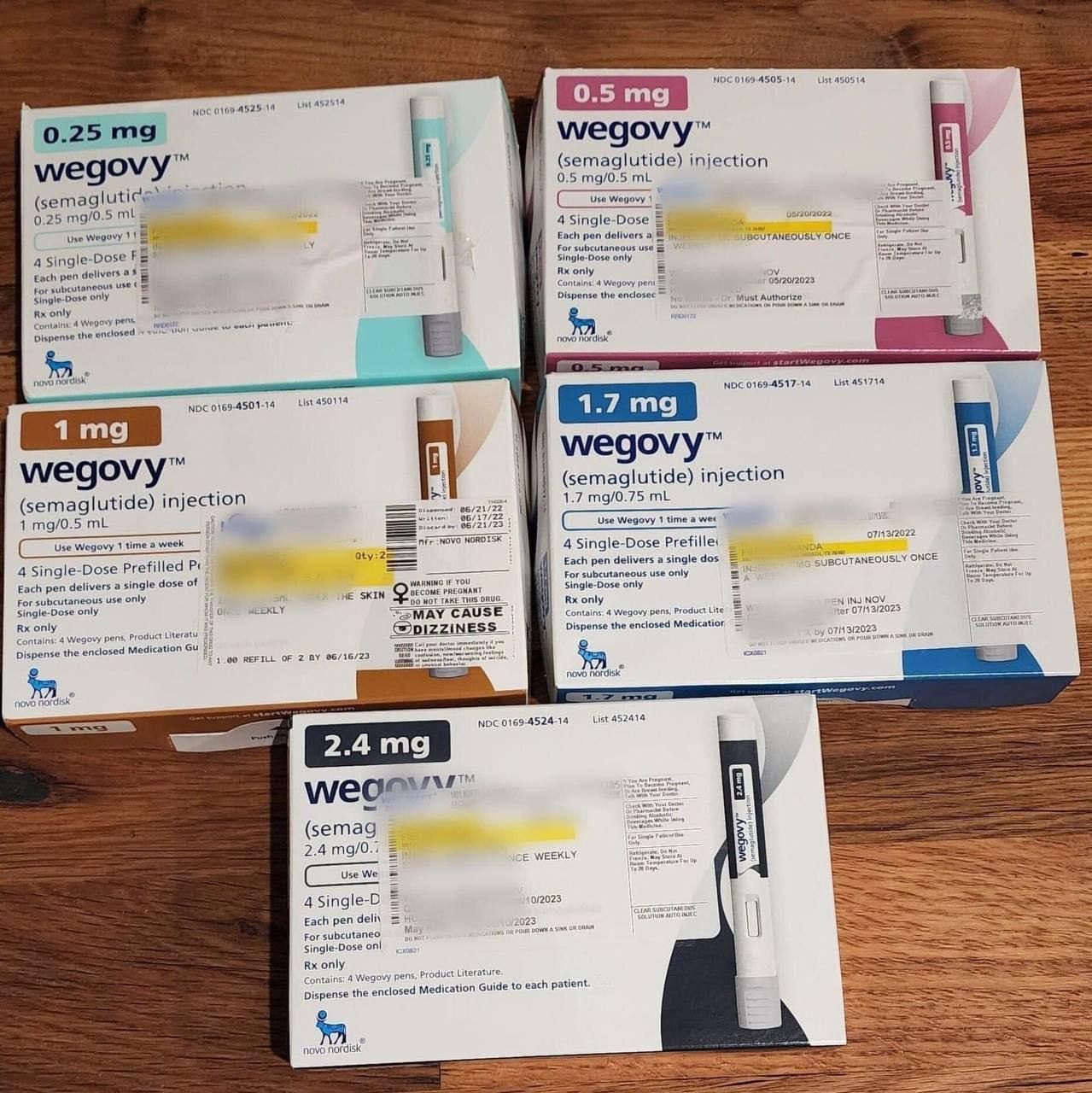
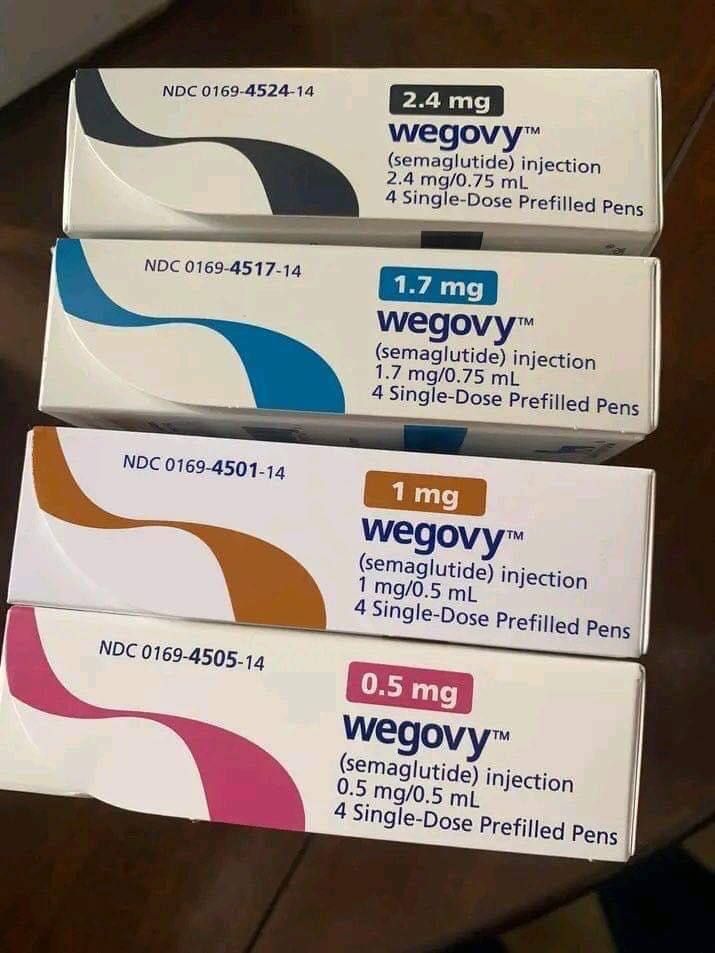



Wegovy (semaglutide) for weight management:
What it is
- Wegovy is a once‑weekly prescription injection of semaglutide, a GLP‑1 receptor agonist.
- FDA-approved for chronic weight management in adults and certain adolescents with obesity.
Who it’s for
- Adults with BMI ≥30, or ≥27 with at least one weight‑related condition (e.g., hypertension, type 2 diabetes, dyslipidemia).
- Adolescents (≥12 years) with obesity, per prescribing criteria.
- Not a first-line drug for type 2 diabetes; Ozempic is the diabetes brand of semaglutide.
How it works
- Mimics GLP‑1 to reduce appetite, increase satiety, and slow gastric emptying, helping lower calorie intake.
Dosing (typical titration)
- Weekly injection with gradual increases to improve tolerability:
- 0.25 mg → 0.5 mg → 1.0 mg → 1.7 mg → maintenance 2.4 mg once weekly.
- Each step usually lasts 4 weeks; your clinician may adjust pacing.
- If you miss a dose and it’s within 5 days, take it when remembered; otherwise skip and resume the next scheduled dose.
Administration
- Subcutaneous injection in abdomen, thigh, or upper arm; rotate sites.
- Can be taken with or without food; take on the same day each week.
Effectiveness
- Clinical trials showed average weight loss of about 10–15% of body weight over ~68 weeks when combined with diet and activity. Individual results vary; some see appetite change within weeks, weight changes over months.
Common side effects
- Nausea, vomiting, diarrhea, constipation, abdominal pain, bloating, burping, heartburn, fatigue, headache.
- Usually improve as your body adjusts; slower titration and smaller meals help.
Serious risks (seek medical advice promptly if suspected)
- Pancreatitis: severe, persistent abdominal pain ± vomiting.
- Gallbladder disease: right‑upper‑quadrant pain, fever, jaundice.
- Kidney injury: reduced urination, swelling—often related to dehydration from GI symptoms.
- Diabetic retinopathy worsening (in people with diabetes).
- Hypoglycemia when combined with insulin or sulfonylureas.
- Allergic reactions: rash, swelling, breathing trouble.
Boxed warning/contraindications
- Do not use if you have a personal or family history of medullary thyroid carcinoma (MTC) or MEN2.
- Not recommended in pregnancy; stop before conception and discuss timing with your clinician.
- Avoid if prior serious hypersensitivity to semaglutide.
- Use caution with a history of pancreatitis or severe GI disease (e.g., gastroparesis).
Interactions and precautions
- Other glucose‑lowering meds may need dose adjustments to avoid hypoglycemia.
- Slower gastric emptying can affect absorption of some oral drugs—monitor critical meds.
- Limit alcohol (may worsen GI symptoms and hypoglycemia risk with diabetes meds).
Lifestyle pairing
- Best results when combined with a reduced‑calorie, higher‑protein diet, resistance + aerobic exercise, adequate sleep, and behavior support.
- Weight regain can occur after stopping; plan for long‑term management.
Storage
- Keep pens refrigerated before first use; after first use, many pens can be kept at room temperature per the label for a limited time—follow your specific pen instructions.
Cost and access
- Can be expensive; coverage varies. Prior authorization is common. Manufacturer savings programs may exist for eligible patients.
Alternatives in the same space
- Other anti‑obesity meds: tirzepatide (Zepbound), liraglutide (Saxenda), phentermine/topiramate, bupropion/naltrexone, orlistat—each with distinct profiles.
Not medical advice—talk with your healthcare provider to confirm if Wegovy is appropriate for you, dosing, monitoring, and insurance options. If you share your goals, medical history, and current meds, I can help you prepare questions for your next visit.
| weight | 0.25ml, 0.5ml, 1 mg, 1.7ml, 2.4mg |
|---|
6 reviews for Wegovy
Add a review
Related products
weight loss
weight loss
weight loss

weight loss

weight loss
weight loss
weight loss

weight loss
Freya Walker (verified owner) –
I like this item and also the customer service of them.
Jonas James (verified owner) –
4 stars for the product, work as described, but not as expected.
Ryan Hughes (verified owner) –
The first time I got the urges to leave a comment, but this is simply a top-notch thing you can find.
Emily Parker (verified owner) –
It’s far better than those similar products, while the price is still acceptable.
Jonathan Hughes (verified owner) –
4 stars for the product, work as described, but not as expected.
Baron Norris (verified owner) –
Very flexible and well designed.